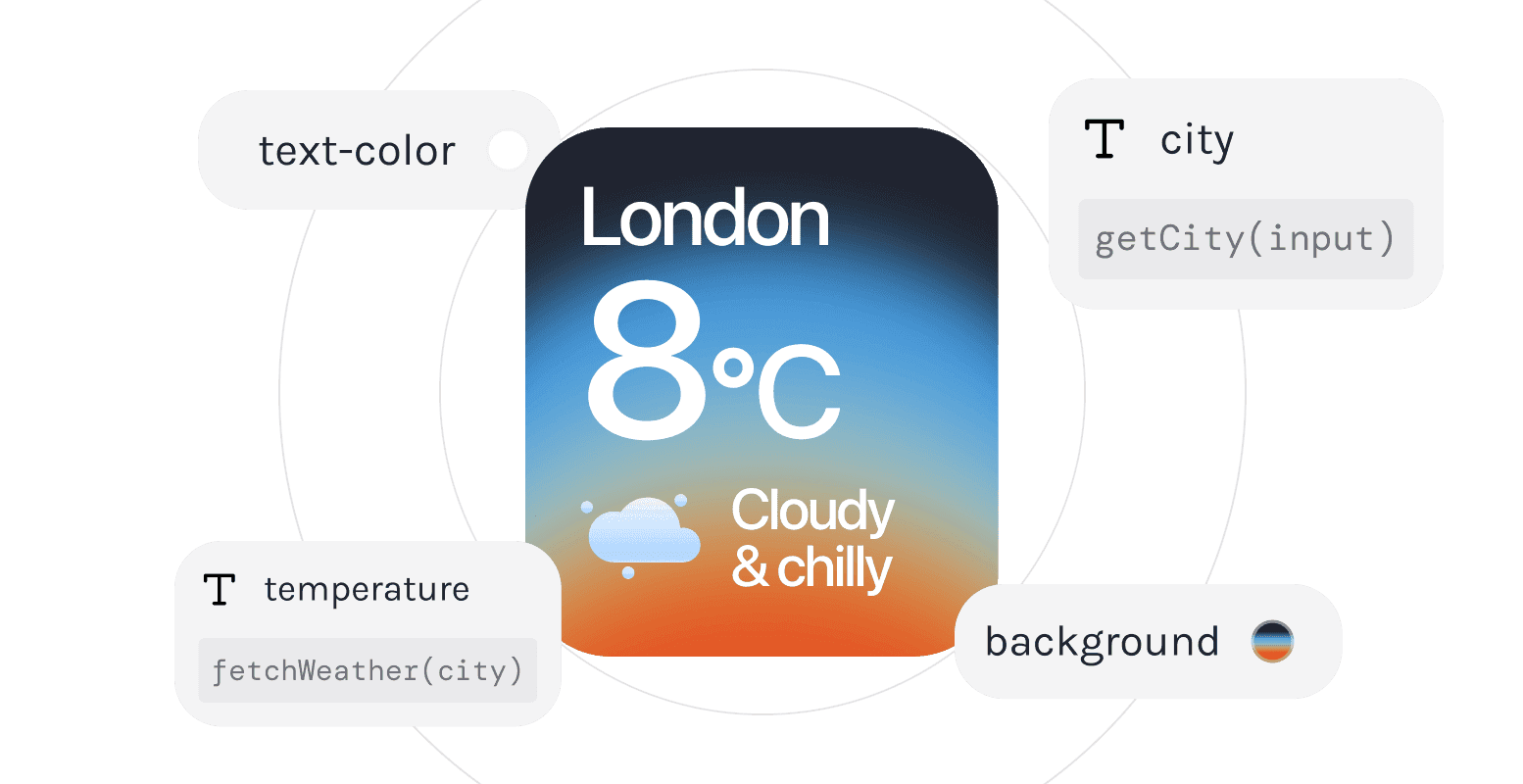
Bind your animation properties to real data. Change colors, text, and transforms at runtime, without re-exporting.
Watch video
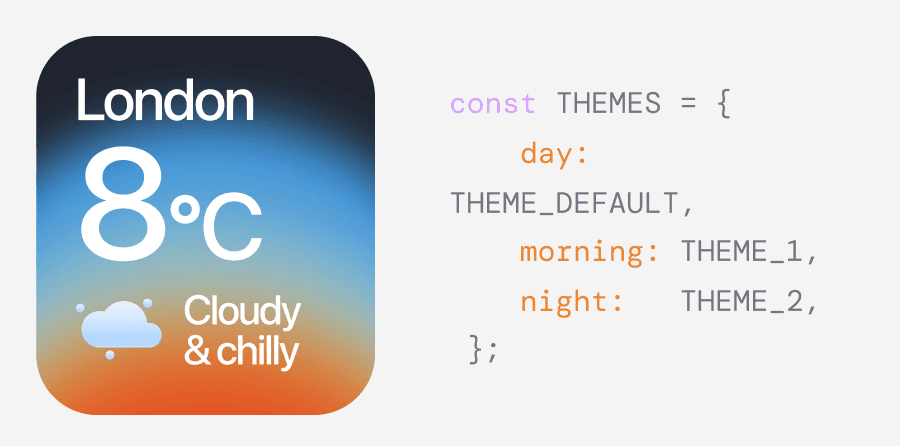
Motion is disconnected from product logic. Data changes but the animation doesn’t.
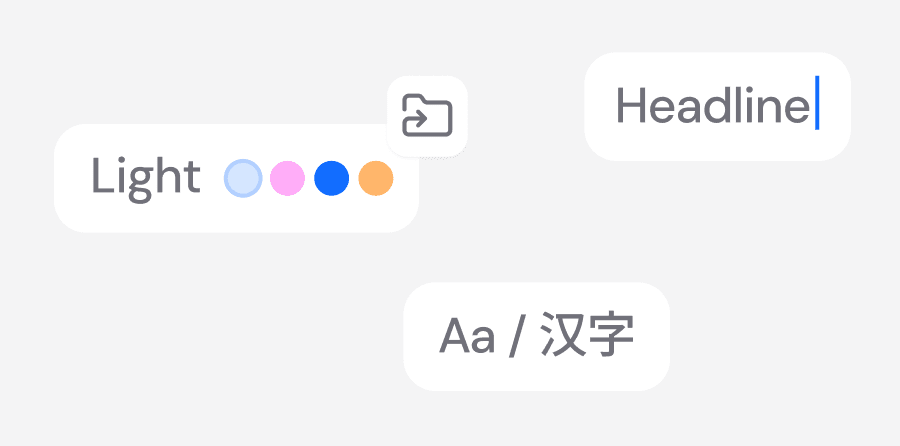
Update a headline, swap a color, add a language requires you to re-export the file.
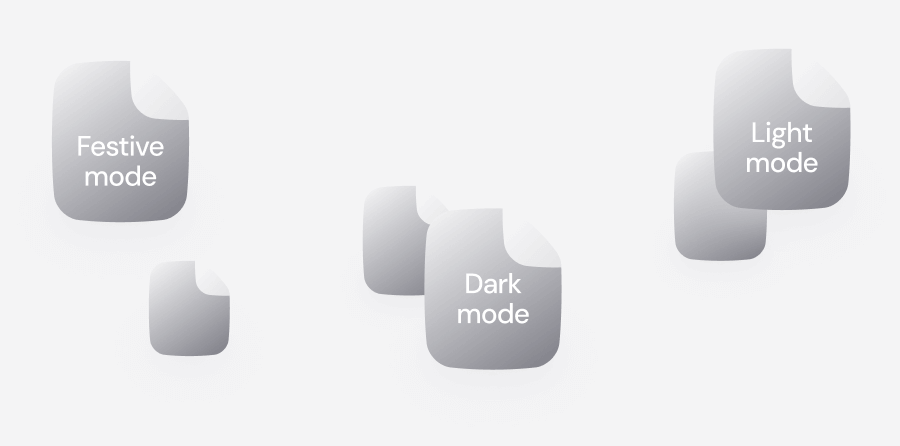
Dynamic product content is trapped inside static media. Any change triggers a rebuild.






Additional resources
What are Motion Tokens in Lottie?
What are Motion Tokens in Lottie?
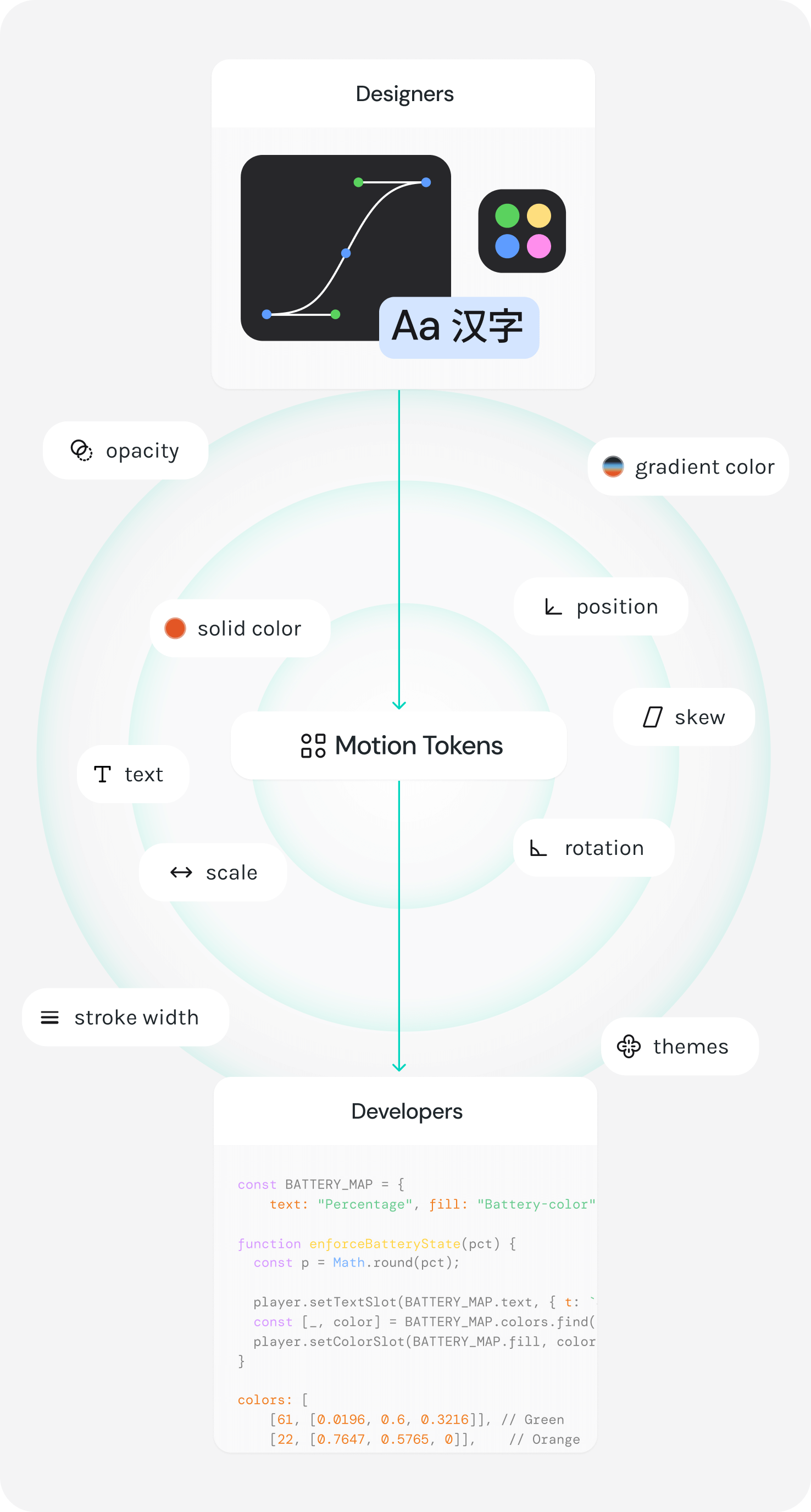
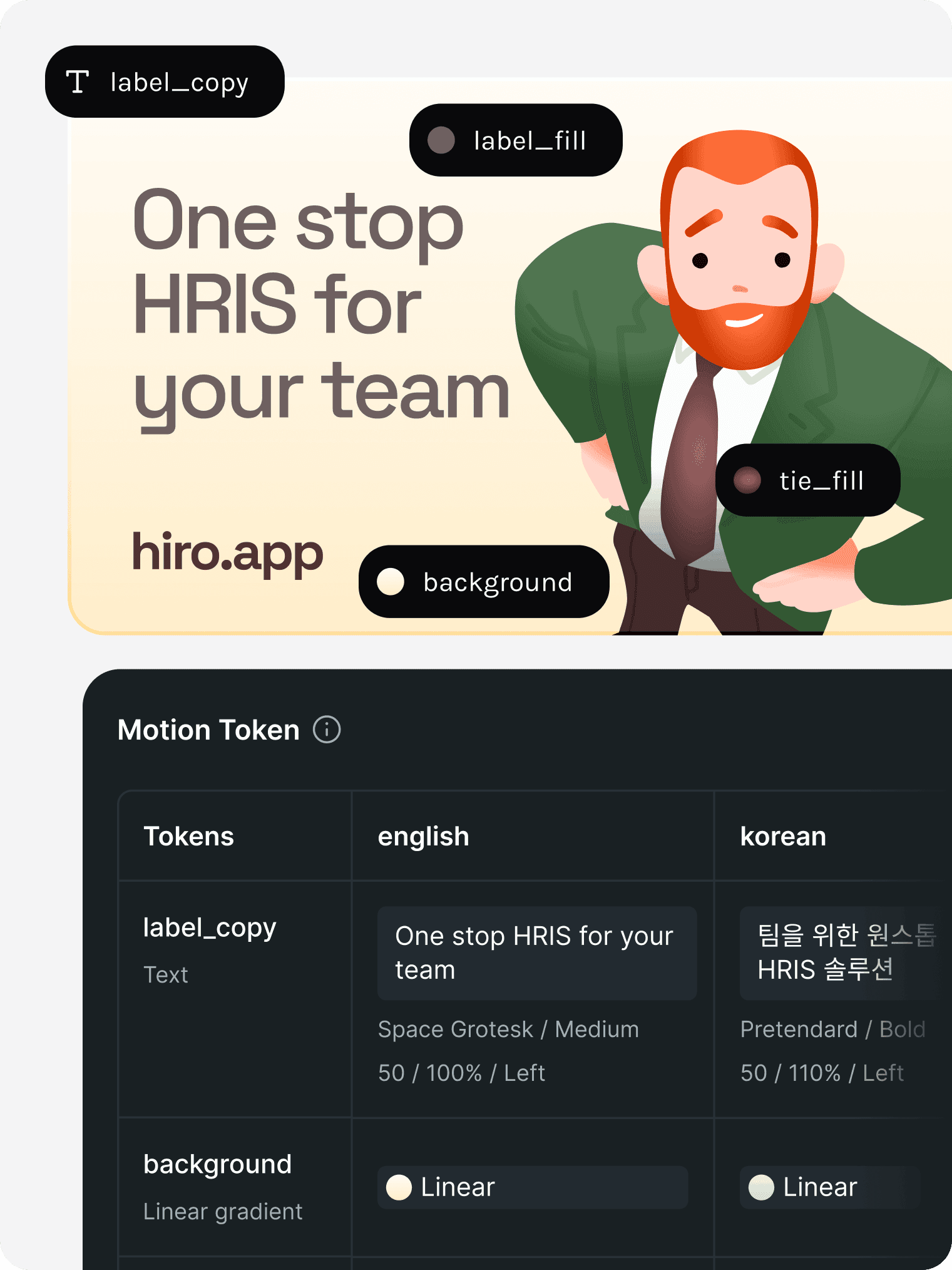
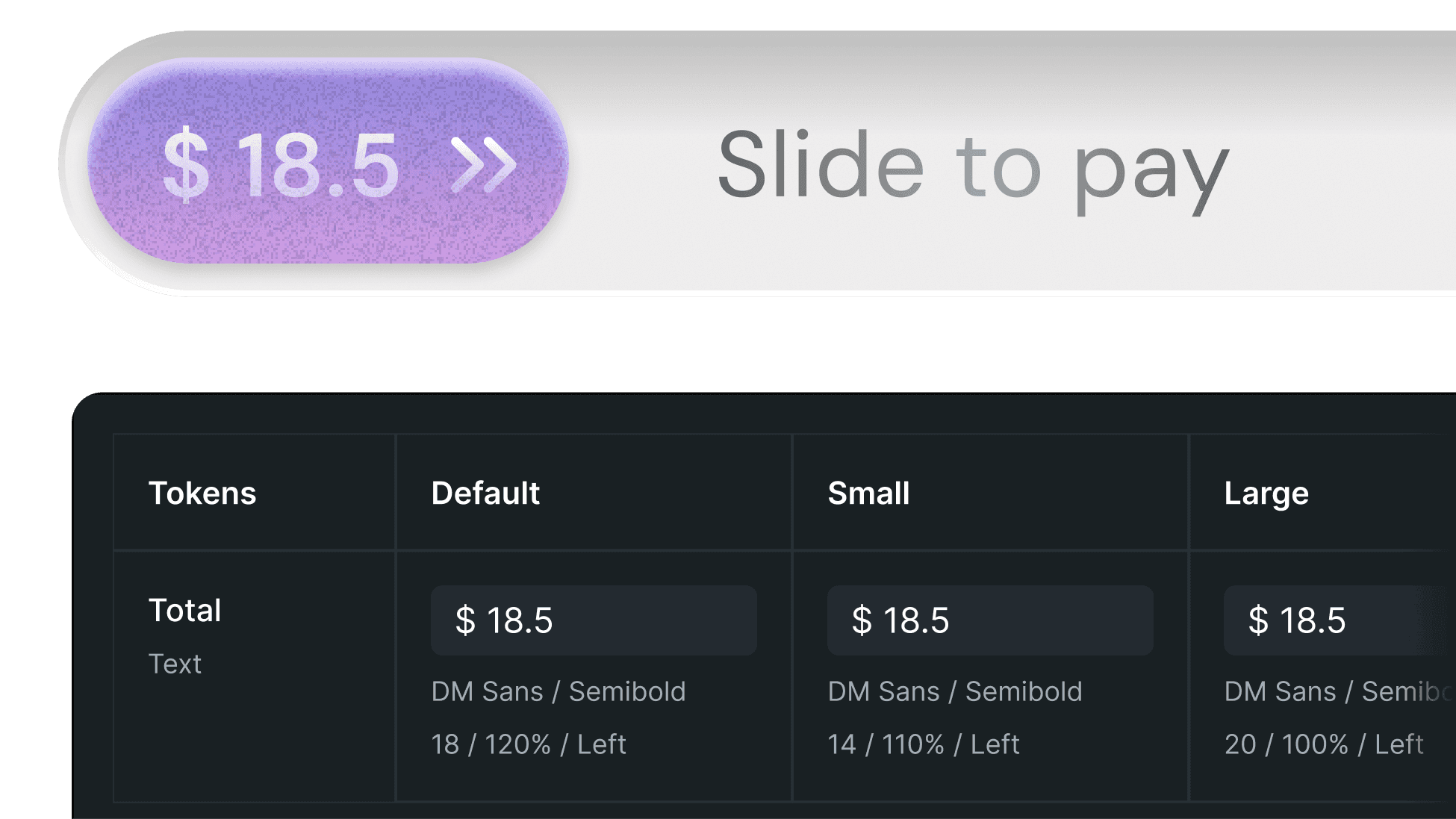
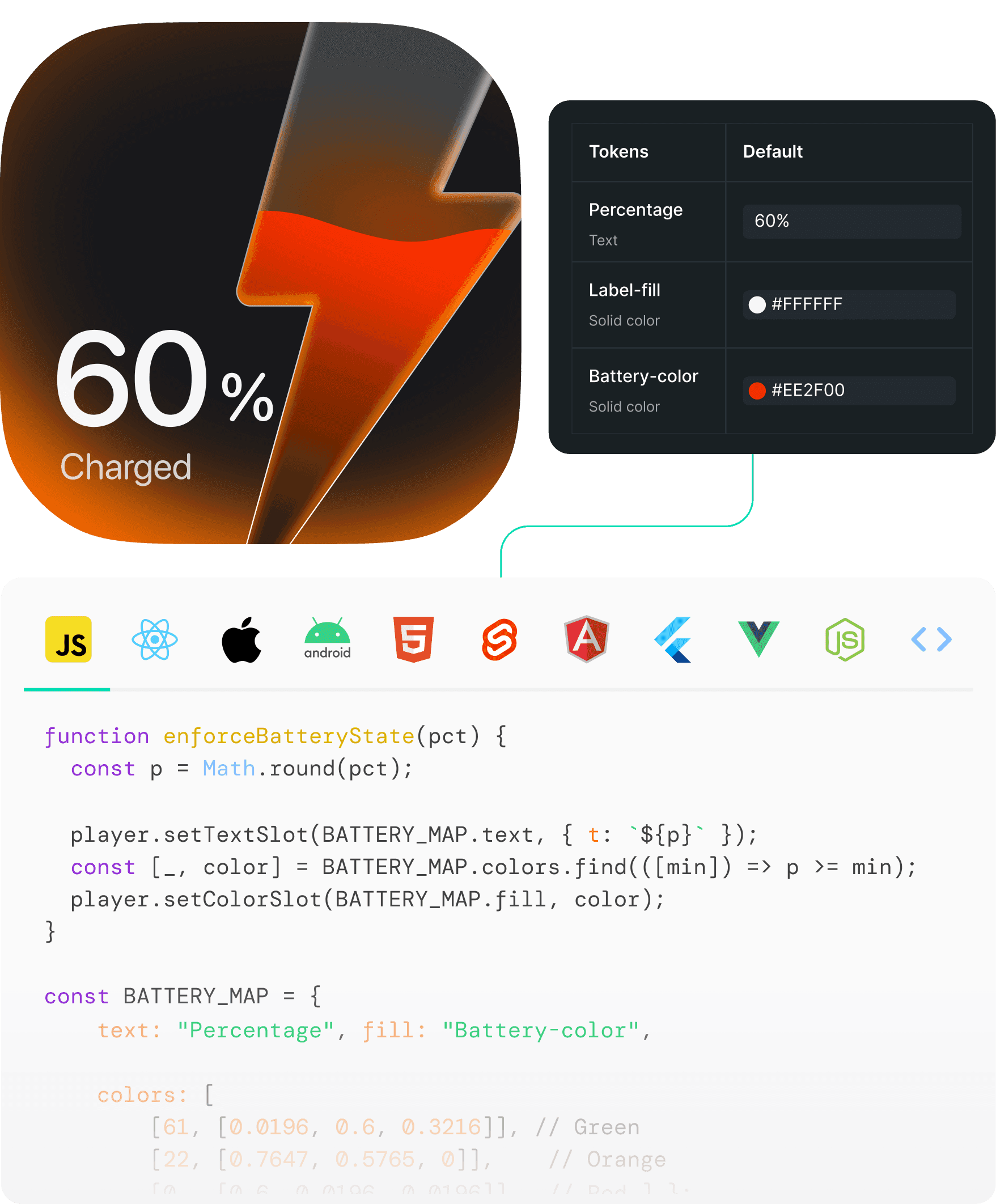
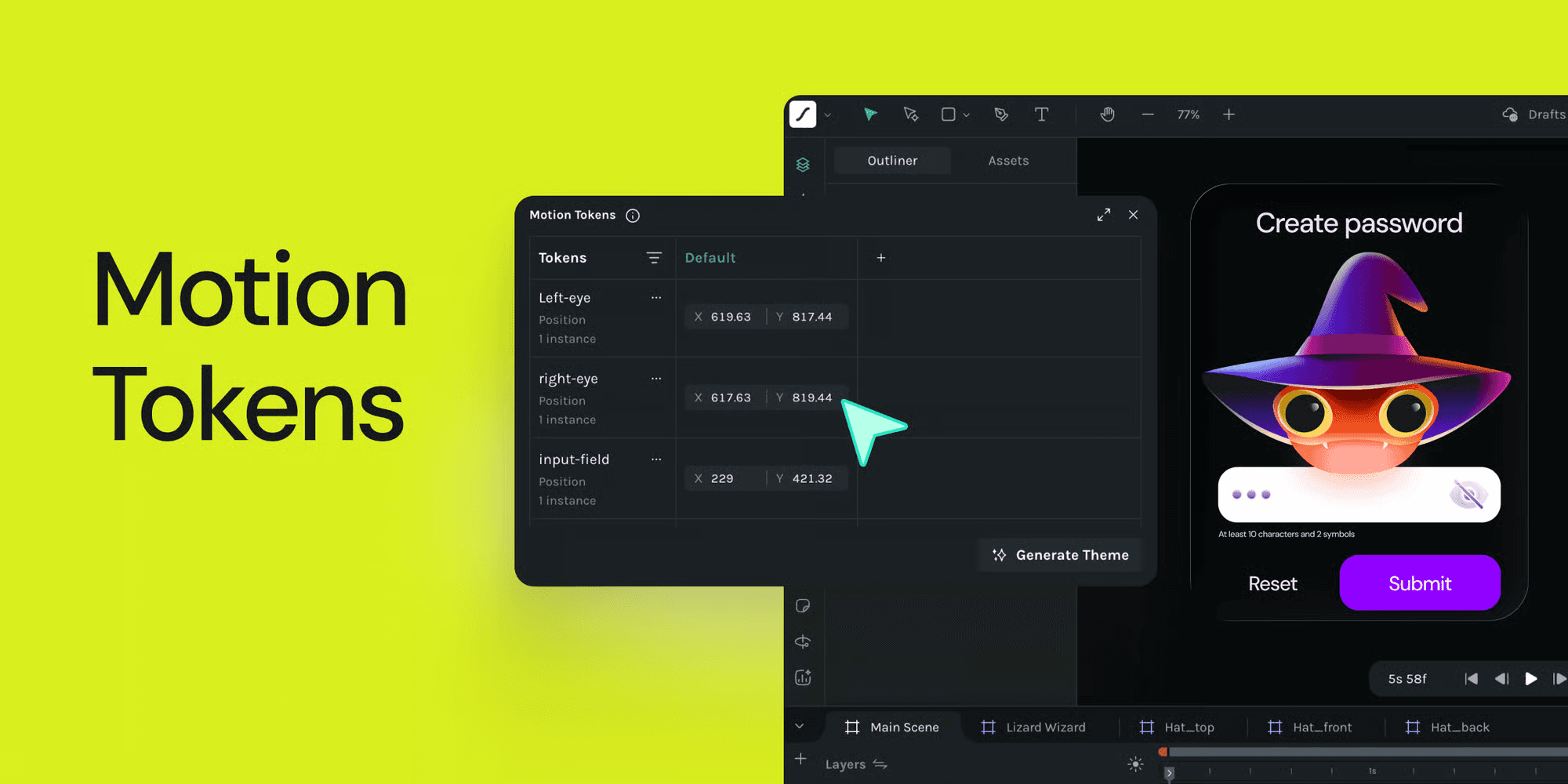
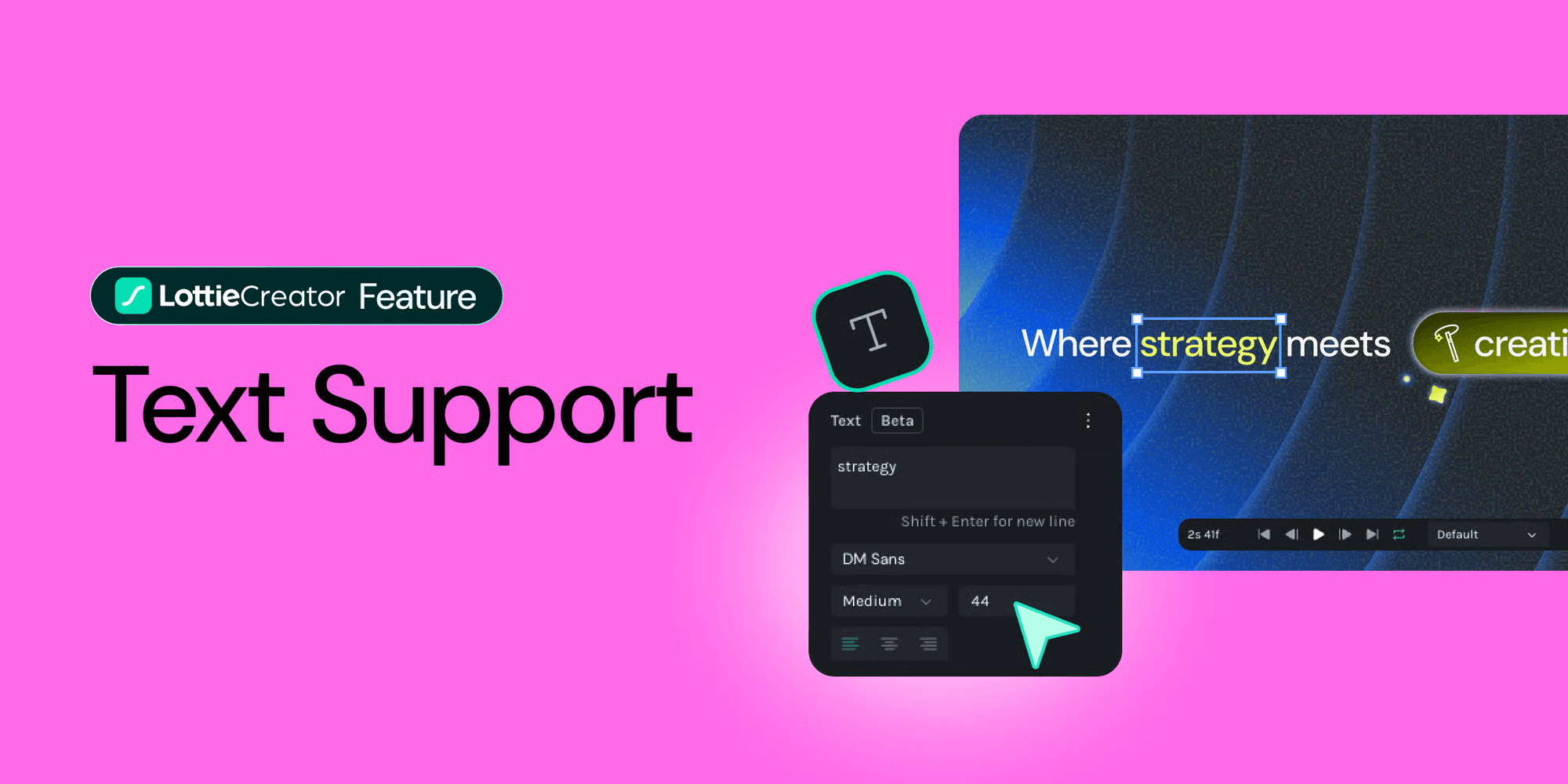
Motion Tokens let you control animation properties - text, colors, gradients, and transforms - from code at runtime. Design once in Lottie Creator, export a single dotLottie file, and update values in production without re-exporting.
To learn more about check out our Motion Token documentation.
What animation properties can Motion Tokens control?
Text - content, font, size, alignment.
Color - fill, stroke, gradients.
Transforms - position, scale, rotation, skew, opacity.
How do I update a Lottie animation at runtime?
Call the relevant Slot API based on the type of property (https://github.com/LottieFiles/dotlottie-web/wiki/Slots-API). Pass new values for any tokenized property - text, color, transforms. The source animation is never modified. Only the specific token value updates — no full re-render.
Do Motion Tokens work on Web, iOS, and Android?
Yes. Tokens are bundled inside the dotLottie file and controlled through the same runtime API across all platforms.
Can I use Motion Tokens with State Machines?
Yes. State Machines handle animation transitions and logic. Motion Tokens handle runtime property values. Use both in the same animation, or either one independently.
Can I use Motion Tokens for dark mode and theming?
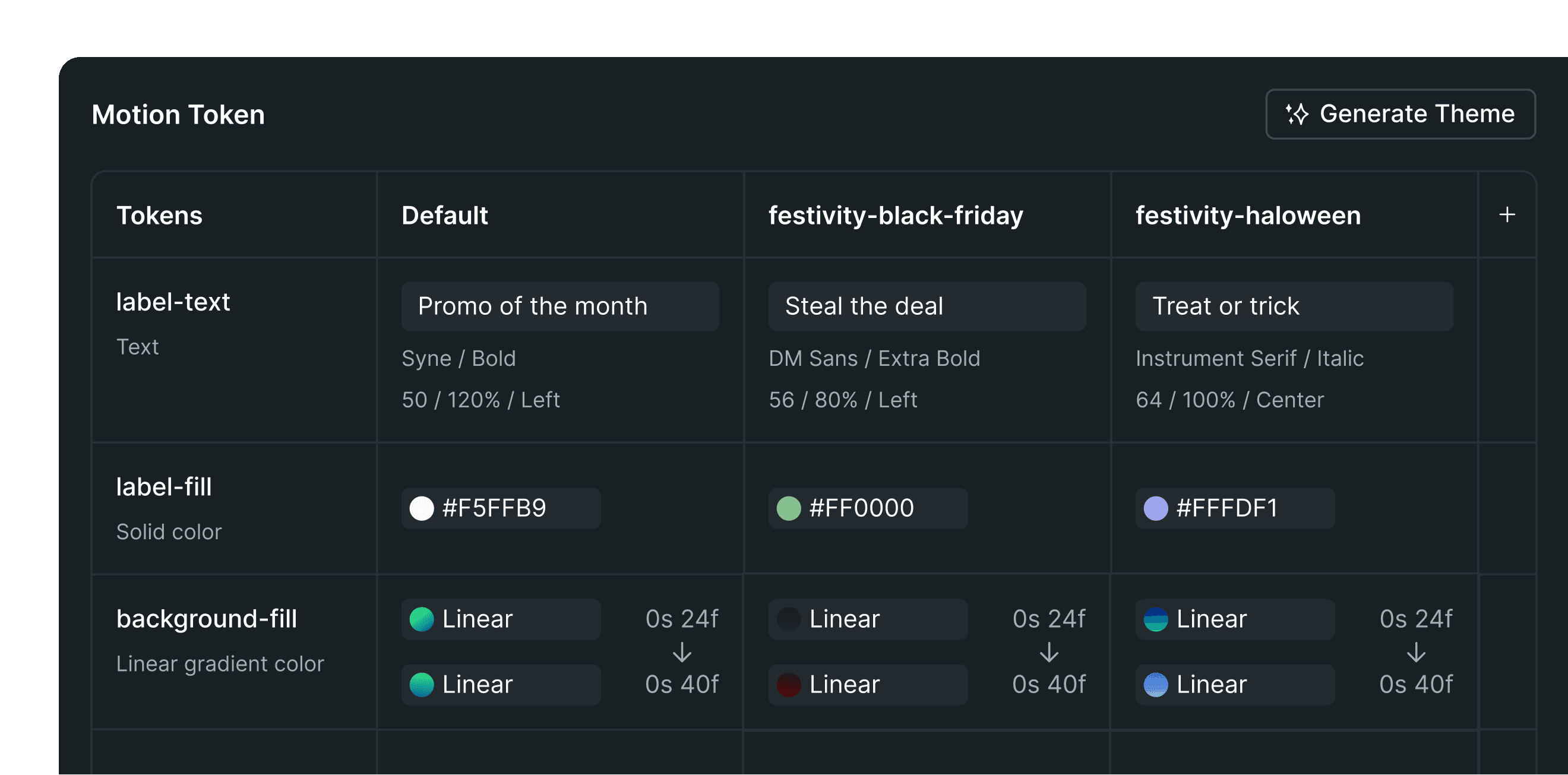
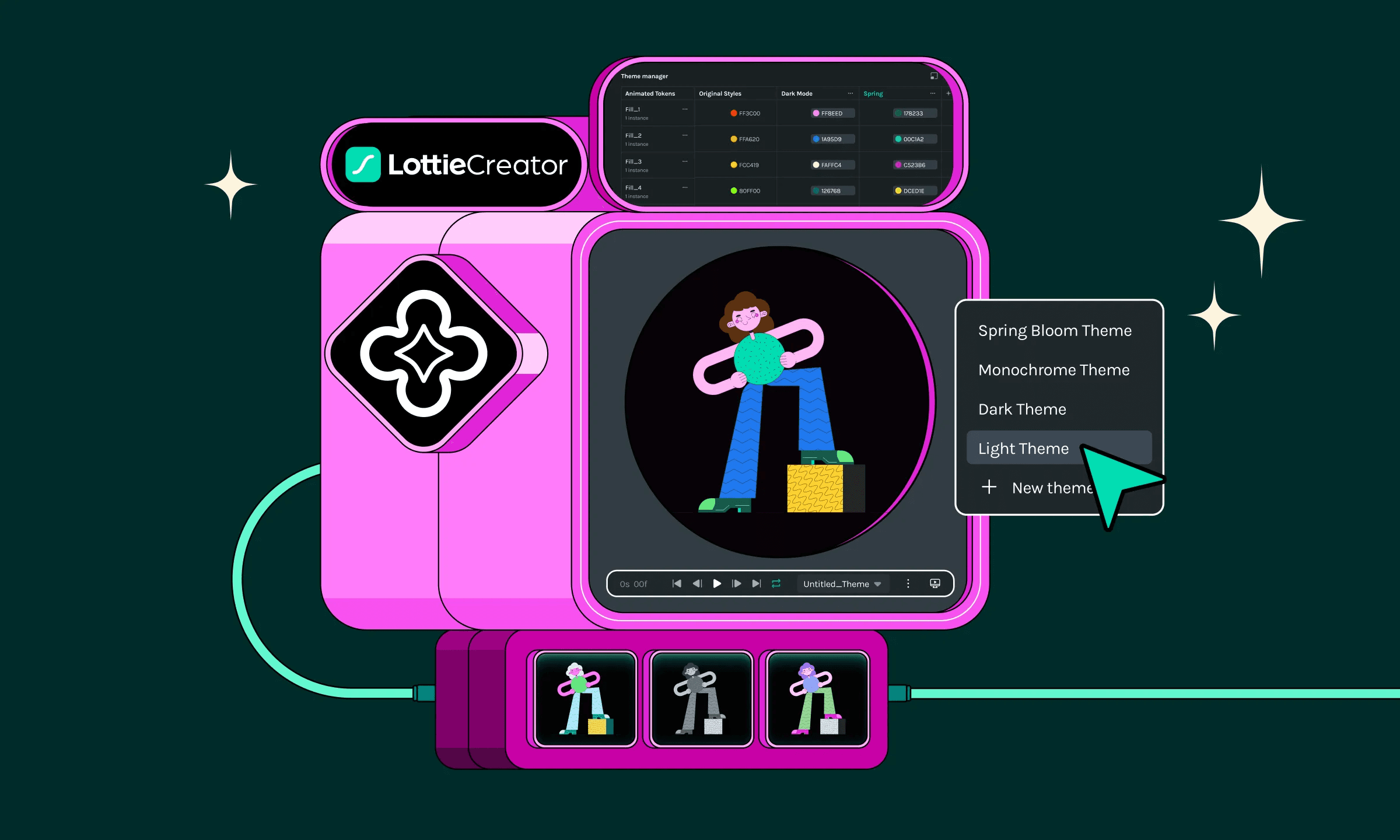
Yes. Define light, dark, and branded theme variants in one dotLottie file. Switch themes at runtime through the API. No duplicate files.
Can I localize a Lottie animation without re-exporting?
Yes. Set up a text token for any text layer. Bind it to your i18n strings in code. One file works across every language.