Motion captures attention before conscious thought
The window where motion feels intentional and not slow
Faster element recognition in expressive motion-rich UIs
Smaller files with Lottie vs GIF
Neural processing of motion begins at 50ms. Conscious awareness follows at 350ms. In that window, attention is already decided.
Yu et al. (2019). Neuroscience 415, 230–240.
A visual change without motion marking the transition goes undetected, even an obvious one. On mobile, a screen flicker alone drops detection from 93% to 33%.
Davies, T. & Beeharee, A. (2012). CHI '12, 2155–2164.
Across 46 studies and 18,000+ participants, users identified key UI elements up to 4× faster in expressive interfaces. The effect held across all age groups.
Google Design Team. (2025). Material 3 Expressive
150ms
400ms
500ms
800ms
1200ms
Motion tells the brain where to look and what just changed. Animated transitions reduce spatial reconstruction errors, users understand system state without consciously tracking it. The interface explains itself.
Animation offloads cognition to the perceptual system. Skeleton screens don't make things faster, they make waiting feel productive. Users consistently rate animated systems as faster even when completion time is identical.
Micro interactions create emotional peaks. Task, completion, confirmation, progress, celebration, these moments are encoded more durably in memory than neutral interactions.
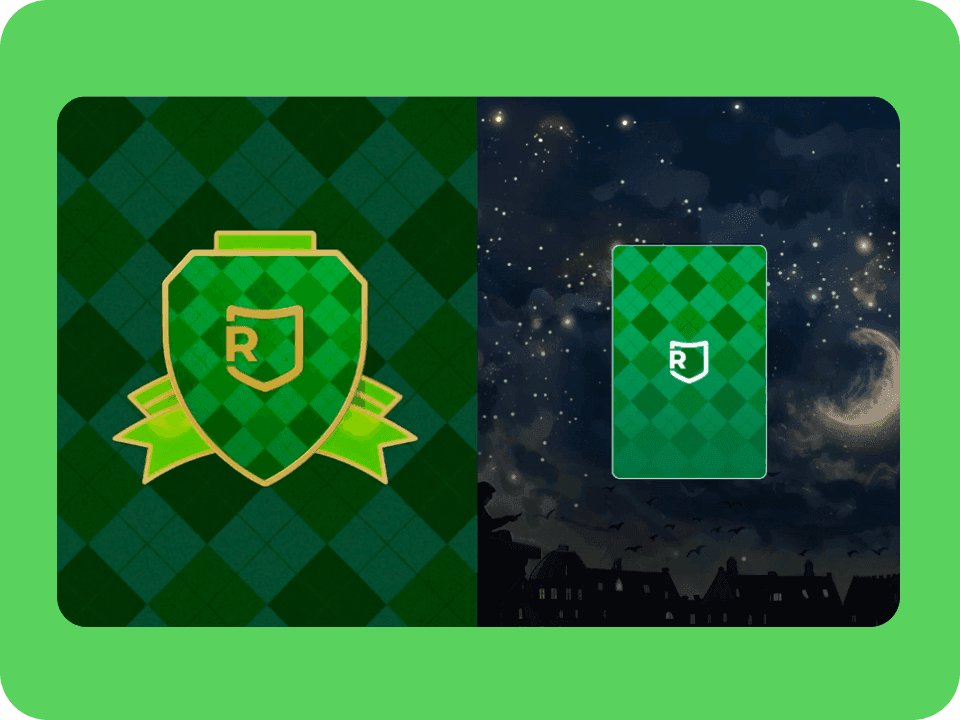
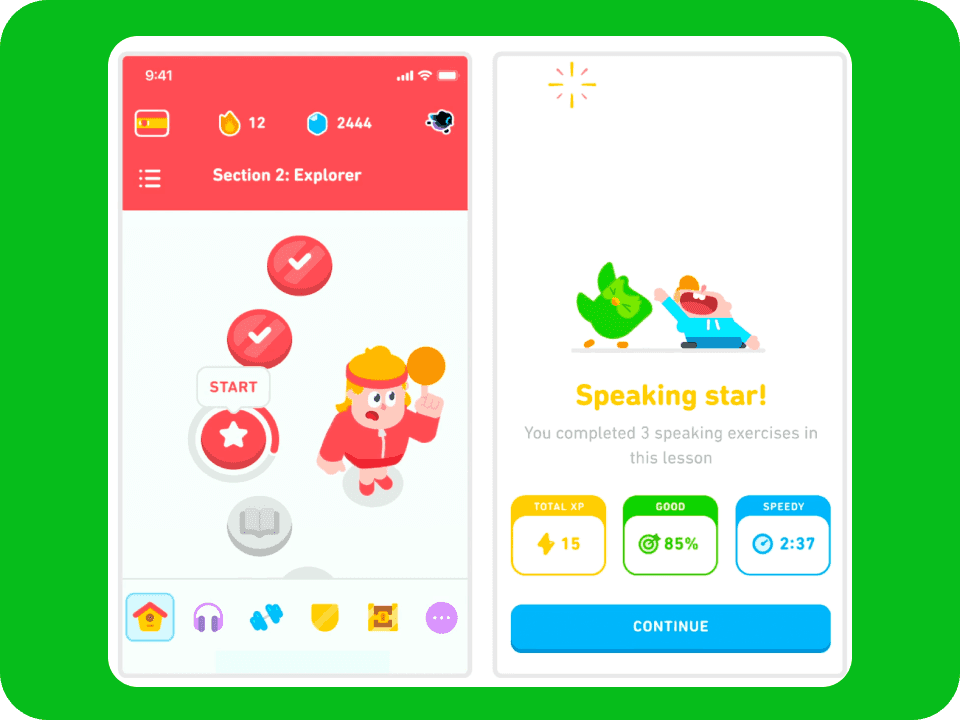
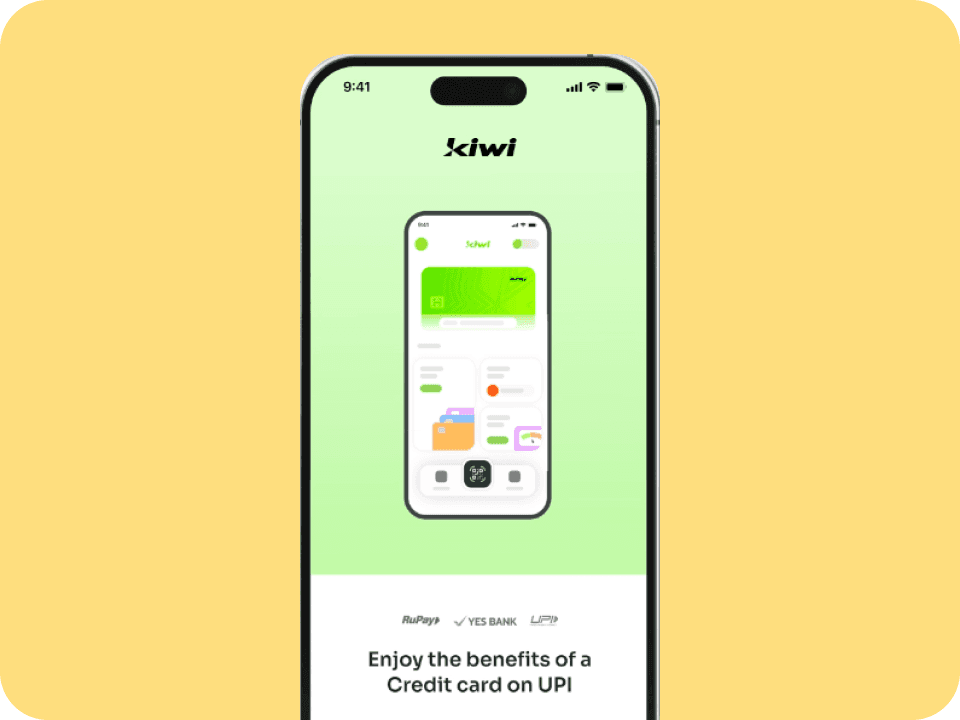
Every animation should communicate state, confirm action, or guide attention. "Looks cool" is not a sufficient reason.
WCAG SC 2.2.2 requires animation running longer than 5 seconds to be pausable. 'prefers-reduced-motion' should be respected automatically.
WCAG SC 2.3.1 prohibits content that flashes more than 3 times per second. A threshold set to prevent seizures, not just discomfort.
Fade and opacity transitions preserve meaning without triggering vestibular responses. Design for reduced-motion from the start.
Dashboards, tables, and trading or analytics screens are read fast. Transitions that redraw rows or charts add latency and pull the eye away from the number the user came for.
A 300ms animation feels great once. On an action a power user triggers 100 times a day it becomes 30 seconds of waiting. Make high-frequency actions instant.
If an animation does not communicate state, confirm an action, or guide attention, it is decoration. Decorative motion adds cognitive load and file weight without earning either.
For users who set prefers-reduced-motion, full motion can cause real discomfort, so honor the setting. On low-powered devices a janky 12fps transition reads as broken and is worse than a clean cut.
If your animation does not do a job, the most honest design decision is to delete it. We would rather you ship less motion than ship motion that costs your users time.
GIFs are often 2MB+ with no transparency, interactivity or theming
CSS animations stay on the web and don’t translate to iOS or Android
Video adds codec choices, autoplay restrictions and bandwidth costs
Different platforms require different assets
Animation updates trigger rebuilds across platforms
Vector-based JSON that scales to any screen size without losing quality
Native rendering across Web, iOS, Android, React Native and Flutter
Proven to be 90–97% smaller than GIFs in production across millions of sessions
dotLottie supports multiple animations, state machines and interactive experiences in a single file
Officially assigned an IANA-registered media type

Make performance and creativity coexist
Switching to Lottie reduced animation file sizes by 80% without losing visual quality or creative range.
Business case:
A file that's 80% smaller means faster load times on high-traffic pages without stripping out what makes the design work.
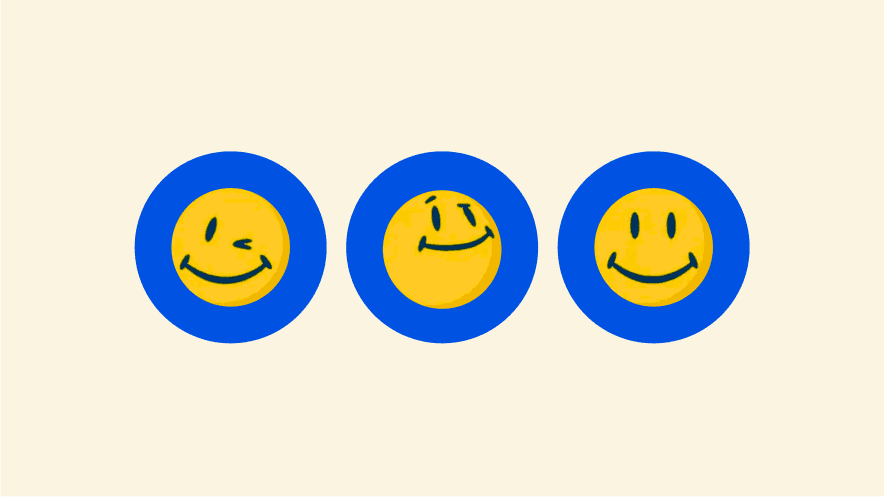
Build characters that scale without limits
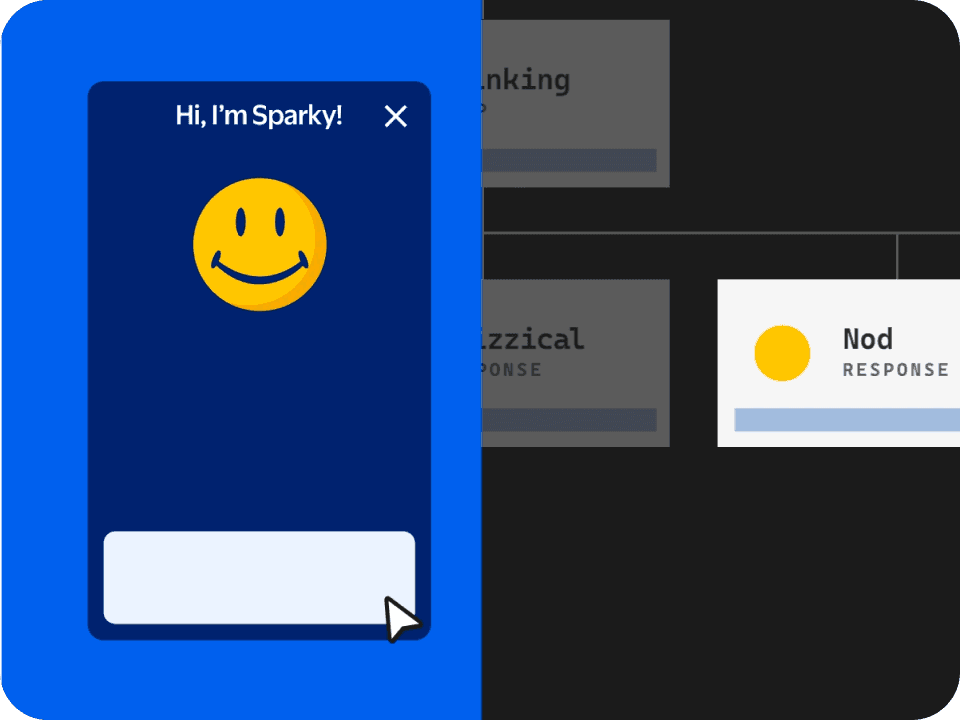
Sparky runs on 60+ Lottie animations, each just 20–30KB, 10% the size of a GIF.
Business case:
Expressive character animation at enterprise scale needs to be lightweight enough to perform across millions of devices.

Turn attention into measurable action
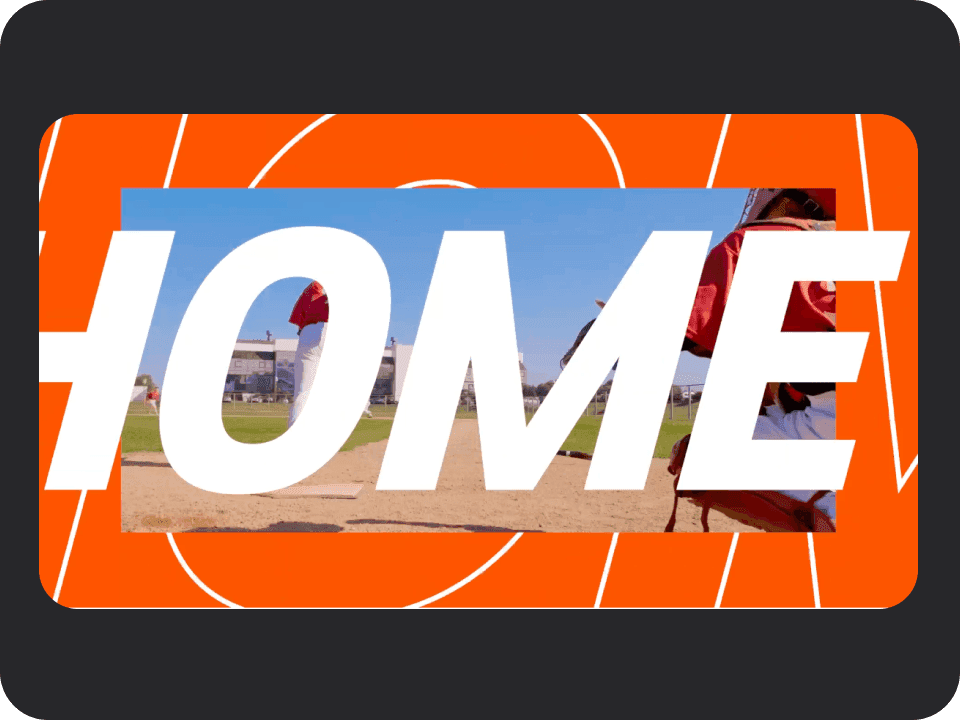
ET Money's home-screen CTR climbed from 2-3% to 8-9% (peaking at 11%), while production time fell 40%.
Business case:
Motion that drives action needs to ship fast and iterate faster. The workflow shouldn't slow down what the product is proving.

Keep motion light enough for app scale
Switching to dotLottie cut Gojek's animation file size by up to 89.35% versus JSON and improved memory stability by 99.6%.
Business case:
A file that's 89% smaller isn't just an engineering win. It's motion that actually survives production at scale.

Turn storytelling into an experience
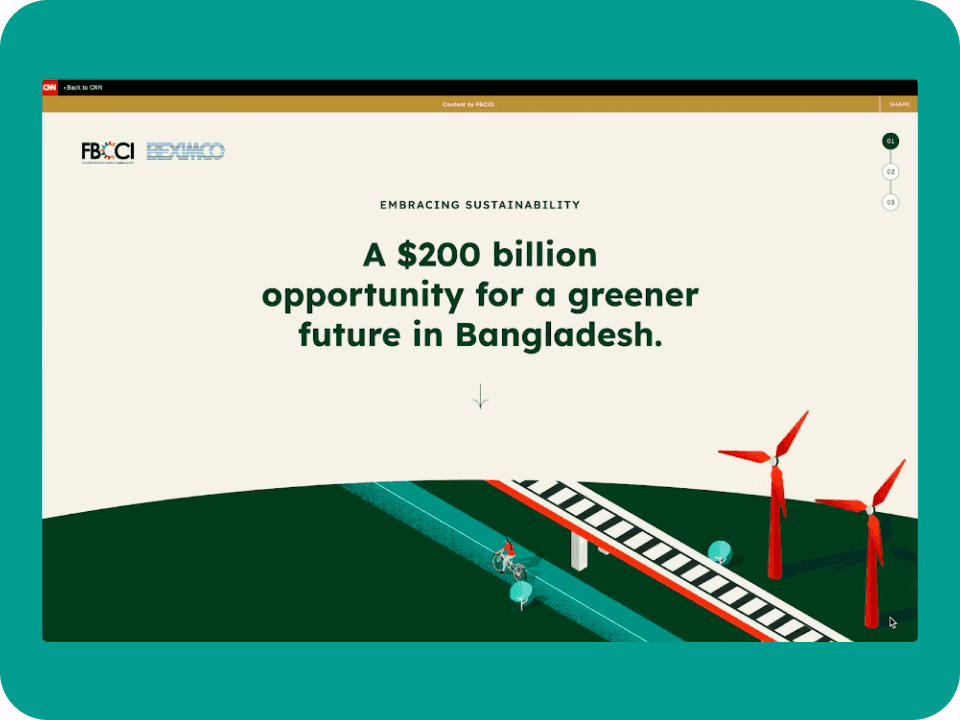
Lottie-powered animations drove 2.5 minutes average time on site across 30,000 unique visitors.
Business case:
Motion that guides readers through a narrative keeps them engaged longer, without slowing the page down.

Make motion reusable across product and brand
Wise built one lightweight, translatable animation system spanning product and marketing, using dotLottie and After Effects templates.
Business case:
Motion that spans product and marketing needs one source of truth. The workflow should make reuse easier than rebuilding from scratch.
01 — Create
Animate on Lottie Creator, After Effects or using Figma. Your existing workflow, extended.
02 — Manage
Centralized workspaces with versioning, permissions and review. No asset in a Slack thread.
03 — Ship
Deliver consistent dotLottie to web, iOS, Android and more. Change once, update every surface automatically.